
Prenatal care is very important for the health of mother and fetus. These cares include measures that help prevent possible problems and risks and make the pregnancy process safer.
Here are the most important aspects of prenatal care:
1. Going to the doctor and regular examinations
One of the most important measures during pregnancy is to visit a gynecologist regularly. The doctor will follow your pregnancy and perform various examinations once in a while.
These examinations usually include the following:
• Blood tests to check iron levels, blood sugar, hormones and other factors
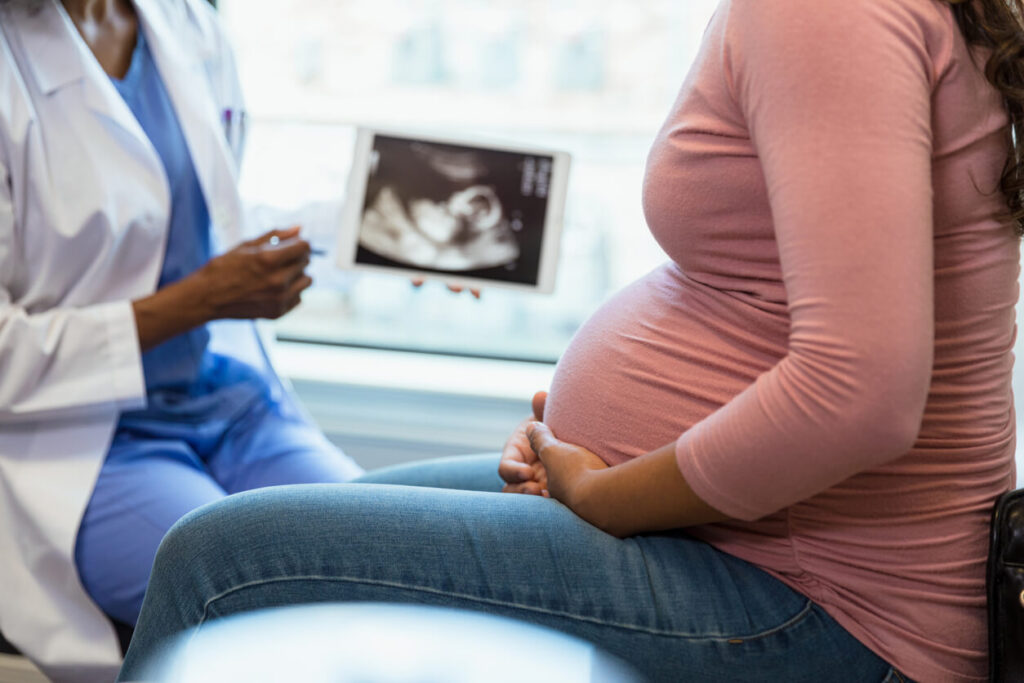
• Ultrasound to check the growth and condition of the fetus
• Checking the blood pressure, weight and general health of the mother
• Examination of the uterus and measurement of fetal growth
2. Proper diet
Proper and varied nutrition during pregnancy is very important. The mother should consume foods containing vitamins and minerals needed for the development of the fetus, including:
• Folate (folic acid): consumption of folate helps prevent neurological defects in the fetus.
• Calcium: It is necessary for the growth of the bones and teeth of the fetus.
• Iron: to prevent maternal anemia and meet the blood production needs of the fetus.
• Proteins and healthy fats: they are necessary for the growth of fetal cells and tissues.
The mother should avoid foods containing refined sugars, trans fats and unhealthy foods.
3. Exercise and physical activity
Regular exercise (as recommended by the doctor) can help maintain the mother’s health and reduce stress.
Some sports such as walking, swimming or yoga are suitable for pregnancy and help reduce muscle pain and improve the mother’s mental state.
But extreme or dangerous sports should be avoided.
4. Psychological care
Hormonal changes during pregnancy can greatly affect the mother’s mood. Psychological support from the family and people around,
as well as counseling in case of need to reduce stress and anxiety is very important.
5. Preparation for childbirth
Preparing for childbirth physically and mentally can be very helpful.
This preparation includes reading about the birthing process, participating in birthing classes, and familiarizing yourself with the signs of labor.
6. Adequate rest
Adequate rest and sleep are very important during pregnancy. The mother’s body needs more rest, especially in the last trimester of pregnancy.
Fatigue can cause physical and mental problems, so getting enough sleep and rest should be prioritized.
7. Taking care of oral health
During pregnancy, hormonal changes can cause inflammation of the gums and increase the risk of oral infections. Therefore, taking care of oral and dental hygiene is of particular importance.
8. Medical care in case of problems
If the mother experiences any unusual problems such as bleeding, severe pain, abnormal swelling, or any other unusual symptoms, she should contact her doctor immediately.
It is also necessary to monitor the mother’s blood pressure to prevent problems such as preeclampsia.
9. Avoiding taking medicines without a doctor’s prescription
Pregnant mothers should avoid taking any medicine without a doctor’s prescription. Some drugs can have a negative effect on the fetus.
If the mother needs medicine, the doctor should give advice to choose medicines that are safe.
10. Weight care
Appropriate and gradual weight gain during pregnancy is very important. Gaining too much weight can lead to problems such as gestational diabetes and high blood pressure.
The doctor usually determines the permissible amount of weight gain according to the condition of the mother.
conclusion
Prenatal care includes various measures aimed at maintaining the health of the mother and the fetus.
By observing nutritional tips, proper physical activity, adequate rest, and regular medical follow-ups, you can achieve a healthy and problem-free pregnancy.

11. Avoiding harmful substances such as tobacco, alcohol and drugs
One of the most important points during pregnancy is to avoid consuming harmful substances.
Smoking, alcohol and drug use can have serious negative effects on the health of the mother and fetus. Some of the negative effects are:
• Smoking: Smoking can reduce blood flow to the fetus, which reduces the oxygen and nutrients it needs.
This can cause premature birth, poor fetal development, breathing problems, and low birth weight.
• Alcohol: Alcohol consumption during pregnancy can lead to fetal disorders, including fetal alcohol syndrome (FAS),
which can cause delays in the baby’s physical and mental development, behavioral and learning problems.
• Drugs: The use of drugs such as cocaine, heroin, and other substances also carries serious risks to the fetus,
including premature birth, developmental problems, and neurological and brain damage.
12. Monitoring the symptoms of certain diseases
Some diseases and medical conditions may cause complications during pregnancy.
In the presence of conditions such as gestational diabetes, high blood pressure, heart and lung diseases or thyroid problems, special care must be taken of the mother and the fetus.
In these situations, the doctor may prescribe medications and suggest special programs for closer monitoring.
• Gestational diabetes: It is one of the most common conditions that occurs during pregnancy.
It is very important to control the blood sugar level through diet, exercise and in some cases medication in order to avoid harm to the fetus and the mother.
• Preeclampsia (pregnancy toxins): This condition, which causes increased blood pressure and damage to organs, can be dangerous.
Close monitoring of blood pressure and other symptoms of this disease is of particular importance.
• Asthma and respiratory diseases: If the mother has breathing problems, she should be under the supervision of a doctor to prevent respiratory problems in herself and the fetus.
13. Skin and hair care
During pregnancy, hormonal changes can have special effects on skin and hair.
Some of these changes include dark spots on the skin, dry or more sensitive skin, and changes in the condition of the hair. To reduce these problems:
• Use moisturizing creams and lotions to keep your skin soft and moist.
• It is important to use sunscreen to protect the skin from sun damage, especially during pregnancy when the skin becomes more sensitive.
• Also, avoid cosmetic products that contain harmful chemicals.
14. Prevention of infections and health care
During pregnancy, the body’s immune system may be weaker than before, so the mother should avoid contact with infectious diseases or people with contagious diseases.
Especially during this period, special attention should be paid to personal hygiene, such as washing hands and using gloves in case of contact with contaminated materials.
Also, vaccination during pregnancy is necessary in some cases. For example, influenza vaccine or diphtheria, tetanus and pertussis vaccine are recommended to protect mother and fetus.
15. Prevention of premature birth
Premature birth occurs when a baby is born before 37 weeks. To prevent premature birth, it is necessary to pay attention to warning signs such as abdominal pain,
bleeding, abnormal vaginal discharge and frequent uterine contractions.
Also, if early symptoms appear, the doctor may take necessary measures to prevent the development of preterm labor.
16. Health tips in using herbal medicines and supplements
In many cultures, it is common to take herbal medicines and natural supplements during pregnancy.
But you should note that some of these drugs can be dangerous for the fetus. Before using any herbal medicine or supplement, even if they seem natural, you should consult your doctor.
Your doctor can help you identify medications that are safe to use during pregnancy.
17. Preparation for physical and mental changes after childbirth
Pregnancy is just one part of the long journey of motherhood. After giving birth, the mother will face new physical and mental changes.
For this purpose, mental and physical preparation for these changes is essential. Some important points after delivery are:
• Postpartum self-care: including rest, proper nutrition, and care for affected areas such as the perineum or cesarean section.
Postpartum period and postpartum depression: Many mothers face postpartum depression. Feelings of sadness, anxiety and extreme changes in mood may be experienced.
In this case, psychological counseling and family support can be helpful.
conclusion
Prenatal care requires special attention to different aspects of physical and mental health.
This era, with all its beauty and challenges, requires medical follow-up and compliance with health and nutritional principles.
If the mother observes all the mentioned points, she can experience a healthy and risk-free pregnancy and safely reach the stage of childbirth and beyond.

18. Caring for family relationships and social support
Pregnancy is a complex process that requires emotional and social support. Healthy and supportive family relationships can play an important role in the health of the mother and fetus.
Pregnant mothers should be able to benefit from the support of their partners, family and friends during this period. Some important points in this regard are:
• Partner support: Having a supportive partner who can help the mother in times of need can reduce the mother’s stress and help her get through the pregnancy easily.
• Support from family and friends: Social support from family and friends during pregnancy can make the mother feel more secure and relaxed.
Help with daily chores, essential shopping, or even accompanying you to doctor’s appointments can reduce stress.
• Communicating effectively: Establishing good and clear communication with your partner about your concerns, feelings,
and needs will help reduce problems and stress and make pregnancy more enjoyable.
19. Special care for high-risk pregnancies
Some pregnancies are known as high-risk pregnancies due to the presence of certain problems,
such as old age (pregnancy over the age of 35), twin pregnancy or having a history of pregnancy problems.
In these situations, more special care may be needed:
• Further medical care: The doctor may order additional tests, including additional ultrasounds, blood and urine tests, or screening tests to check for possible problems in the mother and fetus.
• More accurate control of blood pressure, blood sugar and weight: mothers who have high-risk pregnancies should be more careful about their blood pressure and blood sugar levels.
Especially if they have a history of high blood pressure, diabetes or heart problems.
• Mental health care: high-risk pregnancies may cause more anxiety in the mother. In this situation, psychological counseling and creating an emotional support network can be very useful.
20. Knowing the warning signs during pregnancy
During pregnancy, knowing the danger signs can help the mother to react more quickly to possible problems. Some of the warning signs that require immediate medical attention are:
• Bleeding or spotting: Bleeding at any time during pregnancy, especially in the first or third trimester, can indicate a serious problem, such as a miscarriage or premature birth.
• Severe pain or abnormal contractions: Severe abdominal pain or frequent contractions can be a sign of premature labor.
• Unusual swelling of the hands, feet, or face: Severe swelling can be a sign of preeclampsia that requires immediate treatment.
• Breathing problems or shortness of breath: This can be a sign of heart or lung problems and requires immediate medical attention.
Decreased fetal movement: If the mother notices decreased fetal movement, she should see a doctor.
21. Baby care after birth
After the birth of the baby, special care is necessary for the health and growth of the baby. Neonatal care includes nutrition, hygiene, vaccinations and growth monitoring.
Some important points in baby care are:
• Feeding the baby: If possible, breast milk is the best source of nutrition for the baby. Breast milk contains all the nutrients and antibodies that help strengthen the baby’s immune system.
If breastfeeding is not possible for any reason, suitable baby formula should be used.
• Diapers and baby hygiene: Taking care of baby hygiene is very important, especially in the first days. Baby diapers should be changed regularly to prevent skin infections.
It is also necessary to wash hands before touching the baby to prevent the transmission of infection.
• Newborn vaccination: The newborn must receive the necessary vaccines according to the national vaccination program of his country.
These vaccines protect the baby against dangerous diseases such as measles, tetanus and diphtheria.
• Baby’s growth and development: it is important to monitor the baby’s physical and mental growth, including weight, height, movements and reactions.
Any developmental delay should be discussed with a doctor promptly.
22. Preparation for breastfeeding and related issues
Breastfeeding may be challenging for some mothers at first, but knowing the right breastfeeding tips can make the process easier:
• How to hold the breast correctly: The mother should make sure that the baby takes the breast properly to avoid pain and damage to the breasts.
Proper nutrition of the mother for milk production: Proper and balanced nutrition for the mother helps to increase milk production.
It is important to consume enough fluids and foods rich in protein and calcium.
Common breastfeeding problems: Problems such as cracked nipples, engorgement or lack of milk may occur in some mothers.
Consultation with a doctor or lactation consultant can be effective in solving these problems.
conclusion
Pregnancy and motherhood is a complex journey that requires careful attention to the physical and mental health of the mother.
Compliance with medical care, proper nutrition, and emotional support during this period can help maintain the health of the mother
and fetus and ultimately lead to a successful and healthy experience during pregnancy and childbirth.
Also, preparing for the challenges after the birth of the baby and receiving the necessary advice from doctors
and specialists can be very important in maintaining the health of the mother and the baby.