

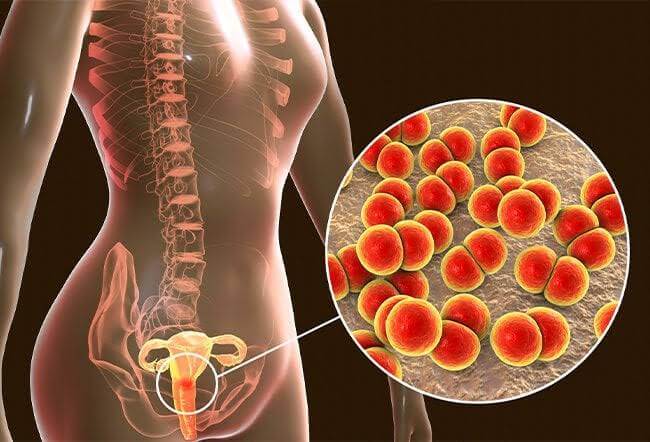
Sexually Transmitted Diseases (STDs) or Sexually Transmitted Infections (STIs) are a group of infections that are transmitted mainly through unprotected sex.
These diseases include viral, bacterial, fungal and parasitic diseases and can have serious effects on people’s health. Some of the most important sexually transmitted diseases are:
1. chlamydia
Chlamydia is a type of bacterial infection that mostly affects the reproductive system and is transmitted through vaginal, oral and anal sex.
If left untreated, chlamydia can cause infertility and pelvic infections.
2. gonorrhea
Gonorrhea is another bacterial disease that can be transmitted to the genitals, mouth, and even the eyes.
This disease causes symptoms such as pain and abnormal discharge in men and women, and if left untreated, it can lead to problems such as infertility and chronic infections.
3. Syphilis
Syphilis is a serious bacterial disease that progresses through several stages and can have severe effects on the heart, brain, and other organs.
The disease is transmitted through direct contact with syphilis sores during sexual intercourse and can be fatal if untreated.
4. HPV virus
Human papillomavirus (HPV) is one of the most common sexually transmitted viruses that can lead to genital warts and even cervical cancer.
Vaccination can prevent some types of HPV that cause most cancers.
5. Genital herpes
Genital herpes, caused by the herpes simplex virus (HSV), can cause painful sores and blisters in the genital area, mouth, and anus.
The disease is usually not curable and the virus remains in the body, but the symptoms can be managed.
6. HIV and AIDS
The HIV virus leads to the weakening of the immune system and the development of AIDS.
This disease can be transmitted through sexual intercourse, transfusion of infected blood and shared use of syringes.
Antiviral treatments can slow the progression of the disease, but there is still no definitive cure for HIV.
Prevention and treatment
To prevent sexually transmitted diseases, it is recommended to use a condom in every type of sex, to perform periodic tests and vaccination (such as the HPV vaccine).
Some of these diseases, such as bacterial infections, can be treated with antibiotics, but viral infections such as herpes and HIV can only be managed.
If you notice any suspicious symptoms, it is important to see a doctor immediately and avoid self-medication.
Signs and symptoms of sexually transmitted diseases
STDs may not have obvious symptoms in the early stages, or some people may have no symptoms at all. However, common symptoms among people with STDs include:
1. Abnormal secretions from the genital or anal area, which may have a different color, smell, and consistency.
2. Pain or burning during urination, which can be a sign of bacterial infections such as chlamydia or gonorrhea.
3. Sores, blisters or painful bumps in the genital area, mouth or anus, which are symptoms of genital herpes or syphilis.
4. Itching and irritation in the genital area, which may be caused by fungal or viral infections.
5. Fever and swollen lymph nodes, especially in severe viral and bacterial infections.
The importance of periodic tests
Many sexually transmitted diseases are asymptomatic in their early stages and may lead to more serious problems over time without treatment.
For this reason, periodic testing is highly recommended for people who are sexually active.
These tests include blood tests, urine tests, and sometimes sampling wounds and secretions.
People at high risk include those who have multiple sexual partners, those who do not use protection, or those who have previously contracted an STD.
Treatment methods
Depending on the type of disease, there are different treatment methods:
• Antibiotics: used to treat bacterial infections such as chlamydia, gonorrhea and syphilis. Antibiotic treatment usually results in a full recovery, provided the disease is caught early.
• Antiviral drugs: prescribed to control viral infections such as herpes and HIV.
These drugs cannot completely eliminate the virus, but they help control symptoms and reduce the risk of transmission to others.
• Vaccines: Vaccinations for some sexually transmitted diseases, such as HPV and hepatitis B, are available and can help prevent infection.
Health recommendations and protective methods
To prevent sexually transmitted diseases, it is necessary to observe some health tips and use protective methods:
1. Using condoms in all types of sex (vaginal, oral and anal).
2. Limiting the number of sexual partners and having healthy and committed relationships.
3. Conduct regular tests and encourage your sexual partner to do the same.
4. Avoiding the shared use of personal items, such as razors and syringes, which can lead to the transmission of diseases.
5. Vaccination for diseases that have a vaccine.
The importance of awareness and education
Education and awareness about sexually transmitted diseases is very important, because many people do not want to talk about it due to shame or lack of knowledge.
Sexual awareness and counseling can help people to have a better understanding of the importance of prevention
and self-care and stay away from the risks associated with sexually transmitted diseases.

Psychological and social effects of sexually transmitted diseases
In addition to physical effects, contracting sexually transmitted diseases can have important psychological and social effects on a person. These effects include stress, anxiety, shame, and guilt.
Many people with sexually transmitted diseases refuse to express their problem and even go to a doctor due to negative judgments from society and others.
These concerns may cause isolation and reduce the quality of life.
Psychological support and proper education can help these people to cope with their disease and to work for treatment and prevention of disease transmission.
Counseling with a psychologist or counselors specializing in sexual health can be helpful in managing stress and increasing self-confidence.
Sexually transmitted diseases during pregnancy
If a pregnant woman has a sexually transmitted disease and is not treated, these diseases can cause serious risks to the mother and fetus.
Sexually transmitted diseases such as HIV, syphilis, herpes, and chlamydia may be transmitted to the fetus and cause problems such as miscarriage,
premature birth, birth defects, and even infant death.
To prevent these problems, it is necessary for pregnant women to do the necessary tests and receive treatment if needed.
Sexually transmitted diseases and body immunity
Some sexually transmitted diseases, such as HIV, attack the immune system and make a person vulnerable to other infections.
Over time, these diseases weaken the body’s immune system and make a person susceptible to all kinds of dangerous infections.
People infected with HIV may develop AIDS, which is an advanced stage of the disease and can be life-threatening.
Cultural and social recommendations to control sexually transmitted diseases
To control and reduce the spread of sexually transmitted diseases, the role of culture and society is very important. Some effective measures in this field are:
1. Public awareness: Educating the community about sexually transmitted diseases, ways of transmission and prevention methods can help reduce the spread of diseases.
2. Encouraging regular tests: Creating free and accessible test centers can encourage people to do regular and early tests.
3. Removal of taboos and cultural barriers: culturalization and reduction of shame related to the issue of sexually transmitted diseases can encourage people to seek help and treatment.
4. Support for sufferers: Creating a supportive and non-judgmental environment for people with sexually transmitted diseases can help improve their mental
and physical condition and prevent their social isolation.
conclusion
Sexually transmitted diseases are an important health and social issue that can have significant effects on the physical, mental and social health of people.
However, these diseases are preventable and in many cases treatable. Raising awareness, using protective equipment,
conducting regular tests and creating a supportive and non-judgmental culture in society are among the methods that can help control and reduce the spread of these diseases.
Cervicitis is called inflammation and irritation in the cervix. This problem can be caused by various bacterial or viral infections, chemical allergies, and some other factors.
Cervical ulcer is usually accompanied by symptoms such as abnormal discharge, pain in the abdomen or back, and sometimes abnormal bleeding,
but in many cases it is asymptomatic and may only be diagnosed during a medical examination.
Causes of cervical ulcer
Several factors can cause cervical ulcers, including:
1. Sexually transmitted infections: Some sexually transmitted diseases such as chlamydia, gonorrhea, genital herpes and trichomonas can damage the cervix and cause sores.
2. Non-sexual infections: Infections that enter the genital tract, such as fungal infections, can lead to cervicitis.
3. Allergies and sensitivities: the use of health products, chemicals, condoms containing latex or lubricating gels sometimes cause inflammation of the cervix.
4. Hormonal changes: Hormonal changes during pregnancy or menopause may make the cervix more sensitive and cause sores or inflammation.
5. Physical damage: the use of intrauterine contraceptive devices (IUD), abortion and childbirth sometimes damage the cervix and cause its inflammation.
Cervical ulcer symptoms
Many women with cervical ulcers have no symptoms, but when symptoms do appear, they may include:
• Abnormal discharge: The discharge may be thick, smelly or have different colors such as green, yellow or white.
• Pain or burning during urination: You may feel burning during urination due to inflammation of the cervix.
• Abnormal bleeding: Bleeding between periods or after sex is a common symptom of cervical ulcer.
• Pain in the lower abdomen or back: This pain can be mild or severe.

Cervical ulcer diagnosis
To diagnose a cervical ulcer, the doctor may use several methods, including:
• Physical examination and pelvic exam: In this examination, the doctor examines the cervix and may use a sample of secretions.
• Pap smear: This test helps to detect abnormal cells or infections in the cervix.
• Colposcopy: A more detailed procedure in which the doctor examines the cervix in more detail using a microscope.
• Infectious tests: These tests are done to identify bacterial, viral or fungal infections.
Cervical ulcer treatment
Cervical ulcer treatment method depends on its cause and severity. Some common treatments include:
• Antibiotics: If the cause of the cervical ulcer is a bacterial infection, antibiotics are usually used.
• Antiviral drugs: In case of viral infection such as herpes, antiviral drugs are prescribed.
• Home care: Some measures such as observing personal hygiene, using condoms in sexual relations and avoiding chemical irritants can help reduce inflammation.
• Cryotherapy or freezing: In severe cases of scarring, the doctor may use cryotherapy, in which the damaged cells are destroyed by freezing.
Prevention of cervical ulcer
To prevent cervical ulcer, it is recommended to observe the following points:
1. Using protective devices: Using condoms in sexual relations can prevent the transmission of sexually transmitted infections.
2. Regular examinations: Periodic examinations such as pap smears help in early detection of infections and abnormal changes.
3. Avoiding excessive use of chemical hygiene products: Some chemicals in hygiene products may irritate the cervix.
4. Vaccination: HPV vaccine can prevent some types of human papilloma viruses that cause cervical ulcers and even cervical cancer.
Final remarks
Cervical ulcer can be treated in many cases with timely diagnosis and treatment, and the progression of the disease and more serious complications are prevented.
If symptoms such as abnormal secretions, pain or bleeding are observed,
it is better to see a doctor so that the cause can be determined by performing the necessary tests and proper treatment can be started.
The role of governments and health organizations in controlling sexually transmitted diseases
Governments and health organizations have a key role in the fight against sexually transmitted diseases.
The actions of these organizations can help increase public awareness, improve access to health services, and prevent the spread of these diseases.
Some of the effective actions that these institutions can take are:
1. Providing free testing and counseling services: Providing free or low-cost testing services and confidential counseling, especially in remote and low-income areas,
can encourage people to get tested regularly and prevent disease transmission.
2. Sex education in schools and universities: providing educational programs about healthy sexual relations and prevention of sexually transmitted diseases in educational systems
will help teenagers and young people get enough information about protective methods and possible risks.
3. Supporting medical and scientific research: supporting scientific research in the field of developing drugs, vaccines and new treatment methods can help reduce the prevalence
and increase effective treatments for sexually transmitted diseases.
4. Implementation of public awareness programs: awareness programs through public media, social networks and advertisements can help reduce taboos and increase public awareness
about the importance of sexual health and prevention of sexually transmitted diseases.
5. Improving access to contraceptives: Free or low-cost distribution of protective devices such as condoms in health and treatment centers and making them easier to access
can help reduce the spread of sexually transmitted diseases.
Sexually transmitted diseases and the importance of privacy
Respecting the privacy of people with sexually transmitted diseases is very important.
Many people avoid going to the doctor or doing tests due to the fear of disclosing the disease and its social and family consequences.
Ensuring the confidentiality of patient information can reassure people that they can seek treatment without fear or embarrassment.
Changing attitudes and reducing labeling
In order to reduce the prevalence of sexually transmitted diseases, it is necessary to change negative attitudes and beliefs about these diseases.
By reducing labeling and stigmatization, an environment can be created where people can more easily seek education, testing, and treatment.
In this way, people not only pay more attention to the prevention of sexually transmitted diseases, but also seek medical help more easily if they are infected and prevent the spread of diseases.
Community and family support
Family and community support and cooperation can help to improve the condition of patients.
People need to feel that they are not alone on the path to treatment and recovery and that they can count on the support of their loved ones and relatives.
Also, the role of families in educating and talking with children about healthy relationships and disease prevention is very important.
Look to the future
Scientific and medical advances have increased the hope of controlling and reducing the spread of sexually transmitted diseases.
By investing in medical research, producing new vaccines and improving treatment methods, it is possible to control
and treat sexually transmitted diseases with better and more effective methods in the near future.
Also, with the continuation of awareness programs and proper training, the society can move towards acceptance and better understanding of these diseases,
and by changing negative attitudes, it will be possible to create a healthier and more informed society.
Finally, sexually transmitted diseases are an important global health issue that requires international cooperation, education and awareness and investment in medical research to control it.