

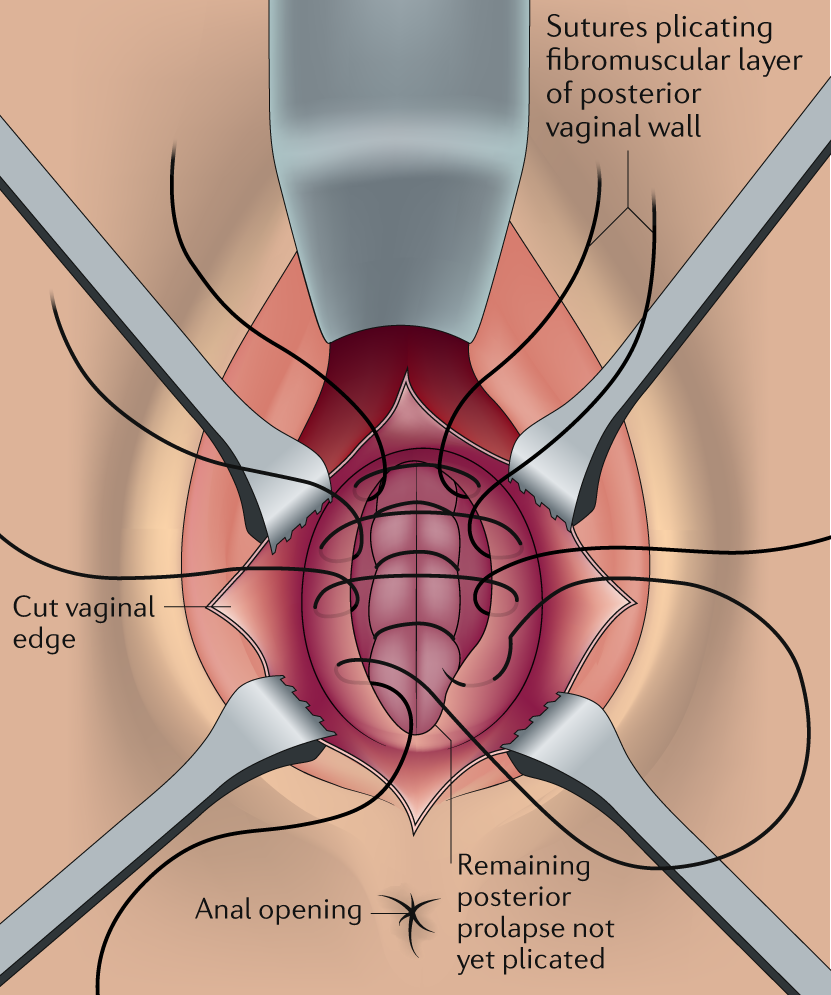
Perineorrhaphy is a type of cosmetic and reconstructive surgery that is performed on the perineum (the area between the vagina and the anus).
This operation is mostly done in order to restore and strengthen the muscle and skin tissues in this area and helps to tighten the vagina and improve the strength and beauty of the perineal area.
Various reasons may motivate people to perform perineal surgery.
One of the most common reasons is that after natural childbirth, the tissues of the vagina and perineum become loose and sagging.
Some women may also experience laxity in this area over time due to genetic reasons or aging.
By strengthening and repairing these tissues, Perineorrhaphy provides more confidence and comfort to people and can have a positive effect on marital relationships.
This surgery is usually performed on an outpatient basis under local or general anesthesia, and the recovery period may last from a few days to a few weeks depending on the person.
Next, after perineurphy surgery, post-operative care is especially important. The patient must follow his doctor’s recommendations carefully so that the healing process goes in the best way.
Some of the cares after Perineorrhaphy include:
1. Adequate rest: In order to reduce the pressure on the operated area, rest is necessary in the first days after the operation.
2. Use of prescription drugs: The doctor may prescribe antibiotics and pain relievers to prevent infection and pain.
3. Refraining from heavy activities: Sports activities or work that puts a lot of pressure on the perineum are prohibited for at least a few weeks.
4. Maintaining the hygiene of the surgical area: It is very important to maintain the hygiene of the surgical area to avoid any infection. Mild detergents should be used for this area.
5. Avoiding sexual intercourse: To prevent damage to the surgical area, sexual intercourse is not recommended until complete recovery (about 6 to 8 weeks).
It should be noted that the final result of Perineorrhaphy will be fully visible after about a few months and the person can gradually return to their normal activities.
In addition to improving the appearance, this surgery can also increase the quality of life and satisfaction in marital relationships.
However, it is very important to consult with a specialist and ensure the surgeon’s medical qualification and experience before performing perineuraphy.
Along with the benefits of Perineorrhaphy surgery, it is also necessary to be aware of the possible complications and limitations of this procedure.
Some of the possible complications of Perineorrhaphy are:
1. Infection: As with any other surgery, there is a risk of infection. Observance of hygiene and use of antibiotics help to reduce this risk.
2. Swelling and bruising: After the operation, the surgical area may be swollen and bruised, which usually heals after a few days.
3. Pain and discomfort: The patient may feel pain and discomfort in the operated area for a few days after the operation, which can be reduced with prescribed painkillers.
4. Dryness and sensitivity in the perineal area: In some cases, a person may feel more dry or sensitive in this area after surgery. Using special moisturizers and consulting a doctor can help.
5. Scar or scar: some patients may have a small scar or scar in the surgical area. Of course, this usually improves and fades over time.
Since this surgery is a cosmetic procedure, it is important to have realistic expectations and a careful consultation with your doctor before doing it.
The doctor can help the patient to understand the possible outcomes and limitations of the procedure and make the best decision.
It should also be noted that this surgery is only a solution and may not be suitable for everyone.
A consultation with an obstetrician can help a person learn about alternative methods, such as pelvic floor strengthening exercises,
and choose the right options based on their body condition and needs.
Several factors can damage the perineal area and weaken the tissues of this area.

Some of these factors are:
1. Natural childbirth: One of the most common causes of damage to the perineum is natural childbirth.
During childbirth, a lot of pressure is applied to the perineum, which may lead to tearing, stretching of muscles and loosening of tissues.
In some cases, to facilitate delivery, the doctor makes an incision called an episiotomy in the perineum, which itself needs to be repaired.
2. Aging and reduction of elasticity of tissues: With age, the elasticity and strength of body tissues, including the perineum area, decreases.
This can cause the tissues and muscles of the perineum to droop and relax.
3. Weight gain and obesity: Weight gain and obesity can also put a lot of pressure on the perineum and pelvic floor, which may lead to relaxation and weakness of the muscles in this area.
4. Heavy physical activities: Carrying out heavy physical activities, such as weight lifting or high-pressure sports exercises,
may cause damage to the perineum and weakness of the pelvic floor muscles.
5. Chronic constipation: Chronic constipation and repeated straining to defecate can put a lot of pressure on the perineum and weaken the tissues over time.
6. Chronic coughs: In people who have chronic lung diseases or allergies and have frequent coughs, there is a lot of pressure on the perineum and pelvic floor,
which may lead to weakness in this area.
7. Hormonal changes: During pregnancy and menopause, hormonal changes (especially the decrease in estrogen during menopause)
can reduce the strength and thickness of the tissues of the perineum and pelvic floor.
8. Surgeries and injuries in the pelvic area: performing various surgeries in the pelvic area or injuries in this area may damage the muscles
and tissues of the perineum and cause its weakness.
Paying attention to these factors and using appropriate strengthening exercises such as Kegel exercises can help maintain the health
and strength of the perineum and prevent problems related to it.
The permanence of Perineorrhaphy depends on various factors and can usually last for several years.
However, the exact duration varies from person to person and is affected by the following:
1. Lifestyle: A healthy lifestyle, including a proper diet, balanced weight and avoiding heavy activities, can help increase the permanence of perinorrhoeic results.
For example, people who use pelvic floor strengthening exercises, such as Kegel exercises, will experience longer lasting results from surgery.
2. Subsequent births: If a person becomes pregnant after perineurphy surgery and gives birth naturally,
the results of the operation may decrease and loosening in the perineal area may occur again.
3. Aging: With the passage of time and age, the tissues and muscles of the body naturally become looser, which may affect the permanence of the results of Perineorrhaphy.
4. Hormonal changes: The decrease in estrogen levels during menopause can cause a decrease in the strength of the tissues in the perineal area
and may eventually affect the results of perineurphy.
5. Body weight: People who are overweight or frequently involved in extreme weight changes may get less results from perineal surgery because more pressure is placed on the perineal area.
In general, if the person observes the necessary care and avoids large changes in weight and subsequent pregnancies, the results of perineuroplasty can last 5 to 10 years or even longer.
However, if needed, this procedure can be repeated after a few years. Consulting a specialist doctor to receive detailed guidance and care recommendations can also help to make the results last.
Perineorrhaphy surgery is a restorative and aesthetic procedure that is performed to tighten and reconstruct the perineal area.
This surgery is usually performed under local or general anesthesia, and its main steps are as follows:
1. Preparing the patient: First, the patient is prepared for the operation. The doctor examines the patient and cleans the surgical area with disinfectants.
2. Anesthesia or anesthesia: This surgery is usually performed on an outpatient basis, and the doctor may use local anesthesia
or general anesthesia so that the patient is comfortable during the operation and does not feel any pain.
3. Making an incision in the perineum: By making an incision in the perineum and the lower part of the vaginal wall, the doctor gains access to the muscles and tissues of this area.
4. Muscle repair and strengthening: In this step, the doctor brings together the relaxed muscles and tissues and strengthens them to give more strength to the perineal area.
This action makes the vaginal entrance narrower and increases the strength of the perineum.
5. Closing the incision: After the muscles are repaired, the doctor closes the incisions with absorbable sutures.
These threads are usually absorbed by the body over time and there is no need to pull stitches.
6. End of operation and transfer to recovery: After the surgery, the patient is transferred to the recovery department and his condition is monitored for several hours.
Most people can go home the same day.
The duration of surgery may vary from 30 minutes to one hour depending on the condition of the patient and the extent of the operation.
After the operation, the recovery period is usually short, and the patient can return to daily activities within a few days, following the care recommended by the doctor.

Recovery time after perinorrhoea surgery is usually between 4 and 6 weeks, but this time can vary depending on the following factors:
1. Type of surgery: The type and extent of surgery can have a great impact on recovery time.
2. General health status of the patient: People with better health status usually recover faster.
3. Adherence to post-operative care: Following the doctor’s advice on rest and post-operative care can help speed up the recovery process.
During this time, the patient may experience pain, swelling, or discomfort, which is usually managed with pain medication.
Also, heavy activities and sexual relations should be avoided at this time to achieve complete recovery.
It is always best to consult your doctor to review your specific situation and get more detailed advice.
Light activity, such as a short walk, is usually allowed after perineal surgery and can help improve circulation and prevent blood clots.
However, there are a few things to keep in mind:
1. Duration and intensity of walking: Walking should be short and gentle. Avoid heavy or prolonged activities.
2. Listen to your body: If you feel pain or discomfort while walking, it is better to stop the activity and rest.
3. Care of the surgical area: Avoid pressure or damage to the surgical area.
It’s always best to check with your doctor about when and what types of activities are allowed after surgery to make sure it doesn’t interfere with your recovery process.
Perineorrhaphy operation duration is usually short and depending on the condition of the patient and the surgical technique used, it usually lasts between 30 minutes and 1 hour.
The procedure is often performed on an outpatient basis, which means that the patient does not need to stay in the hospital for a long time after the surgery and can usually go home the same day.
However, the doctor may check the patient’s condition in the recovery department a few hours after the operation to ensure early recovery and the absence of complications.
Perinoraph surgery is more recommended for women who suffer from laxity and loss of firmness in the perineum and vagina due to various reasons.
Some of the conditions that may cause the doctor to suggest this surgery are:
1. Repeated natural births: Women who have had natural births several times, their perineal and vaginal tissues may be loose and stretched.
This issue can lead to a decrease in the strength of the muscles in the area and weakening of the pelvic floor.
2. Sensation of relaxation and reduction of vaginal strength: Some women may feel that their vagina and perineum are loose and not as strong as before due to genetic reasons,
aging or hormonal changes.
3. Decreased sexual satisfaction: vaginal laxity can affect the quality of marital relations and sexual satisfaction.
Some women report that they feel better during sex after a Perineorrhaphy, and this procedure may help improve this.
4. People who suffer from slight sagging in the pelvic area: some women suffer from slight sagging in the pelvic area,
and they may be able to repair a part of this sagging by performing perineurphy.
5. People with menopause and decreased estrogen levels: Decreased estrogen levels during menopause causes thinning and reduced elasticity of vaginal and perineal tissues,
which may be suitable to perform this surgery to improve the conditions of these people.
6. People whose weight has changed a lot: drastic changes in weight and obesity or excessive thinness can reduce the strength of the muscles of the pelvic floor and perineum,
and this may be useful for improving muscle condition.
In any case, Perineorrhaphy surgery should be done in consultation with a specialist doctor.